Essential Diesel Engine Maintenance Tips for Longer Engine Life

Every skipped oil change, every fuel filter run past its interval, every warning light cleared instead of diagnosed, is a small loan taken out against the engine's future. The interest rate on that loan is brutal. Here is what deferred maintenance actually costs a diesel owner or fleet manager, in dollars and in downtime, and why the math never favors waiting.
Change the Oil Consistently and on Schedule
Diesel engines contaminate engine oil more quickly than gasoline engines. Soot, fuel dilution, and combustion acids gradually break down the oil. Once its protective additives are depleted, engine wear begins almost immediately.
Always use the oil specification recommended for your engine. Most post-2017 diesel engines require API CK-4 or FA-4 oil in the specified viscosity. Choosing an incorrect or lower-quality oil to save money can become one of the costliest maintenance mistakes over time.
Prioritize Fuel System Maintenance
Today's common-rail diesel fuel systems operate at extremely high pressures, typically between 25,000 and 40,000 PSI, with newer systems reaching even higher pressures. Internal component clearances are measured in millionths of an inch, making these systems extremely sensitive to contamination.
Good fuel system maintenance includes:
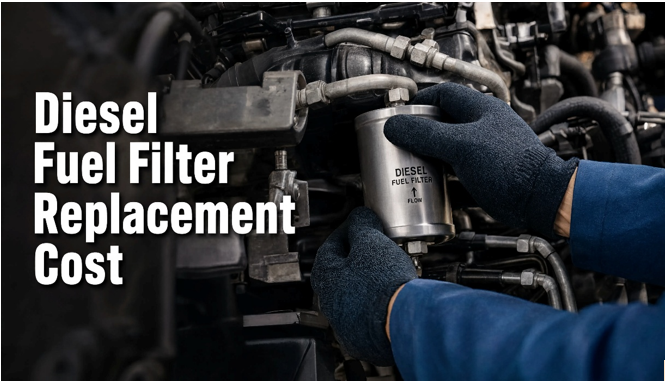
Replace both primary and secondary fuel filters at the recommended intervals without exception.
Purchase fuel from high-volume stations where storage tanks are regularly replenished.
Drain water separators weekly or daily during humid Gulf Coast summers.
Use approved fuel treatment during cold weather to prevent fuel gelling below 25°F.
Avoid fuel additives that are not specifically approved for common-rail diesel systems.
Even one tank of contaminated fuel can destroy an entire set of fuel injectors. On engines such as the Cummins ISX or Duramax LGH, replacing injectors is a major expense compared to the relatively low cost of routine fuel filter maintenance.
Maintain a Healthy Cooling System
Heavy-duty diesel coolant does much more than regulate engine temperature. It also protects the engine block and cylinder liners from cavitation erosion caused by liner vibration. When Supplemental Coolant Additives (SCA) become depleted, cavitation begins damaging the liners and block, eventually creating holes into the water jacket.
Proper cooling system maintenance includes:
Test coolant chemistry every six months or every 50,000 miles.
Replace coolant every 300,000 miles or every four years, whichever comes first.
Use only manufacturer-approved coolant and never mix Extended Life Coolant (ELC) with conventional coolant.
Keep the radiator and charge air cooler clean, especially on oilfield and heavy-duty trucks.
Replace hoses immediately if they show swelling, cracking, or soft spots.
Never Neglect the Air Filter
A restricted air filter starves the turbocharger, and a starved turbo works harder for less boost, which shortens its life. Change the air filter on the schedule, and check the intake restriction gauge or filter minder at every fuel stop. In dusty applications like construction or oilfield service, the filter may need attention long before the mileage interval.
Also inspect the entire intake tract for leaks between the filter and the turbo inlet. A cracked boot or loose clamp lets dirty air bypass the filter completely, and it takes only a few miles of that to score the turbine wheel
Warm Up and Cool Down the Engine Correctly
Diesel engines do not need long idle warm-ups the way old two-strokes did, but they do need to reach operating temperature before being loaded hard. Idle for two to three minutes, drive at moderate load until coolant temperature reaches at least 140 degrees, then work the engine normally.
Just as important, do not shut down a turbocharged diesel immediately after hard work. Idle for two to three minutes to let the turbo bearing cool. Shutting down hot cokes oil in the turbo center section and dramatically shortens turbo life.
Monitor and Record Early Warning Signs
Most engine failures announce themselves days or weeks in advance. Train operators to notice and report:
New smoke of any color, especially under load
New noises (whine, tick, knock, hiss)
Coolant or oil consumption that was not there before
Any check engine or amber warning light
Fuel economy that has changed by more than 5 percent
Temperature or oil pressure gauges reading outside their normal range
A driver-facing daily inspection sheet with those categories on it catches problems while they are cheap. A verbal complaint after the fact usually catches them after they have escalated.
FAQ
Q: What is the most important diesel engine maintenance tip?
A: On-time oil changes with the correct spec oil, on a schedule matched to duty cycle. Nothing else on the maintenance list moves the engine-life needle as much as clean, correct-spec oil.
Q: How can I make my diesel engine last longer?
A: Follow the manufacturer maintenance schedule, use quality fuel and filters, keep the cooling system healthy with proper SCA levels, warm up and cool down properly, and address warning signs immediately instead of waiting.
Q: How often should I service my diesel engine?
A: Basic oil and filter service every 15,000 to 25,000 miles on heavy-duty diesels. Fuel filters at the same interval. Coolant testing every 6 months. Full DOT inspection annually. Off-road equipment runs on hours instead of miles, typically 250-hour service intervals.
Q: What kills a diesel engine fastest?
A: Fuel contamination, coolant loss without shutdown, oil starvation, and aftertreatment abuse. Any of these can end an engine's life in a single event. Preventive maintenance is what keeps those events from happening.