What Is Included in a Diesel Engine Overhaul?

If you've been told your diesel needs an "overhaul," you've probably also heard three different opinions on what that actually means. Some shops use the word loosely to describe anything from a top-end repair to a full teardown. At Diesel Specialists Ltd, we get asked about this almost every week from truck owners, fleet managers, and ag operators around Houston and Humble, so let's cut through the confusion and lay out what a real engine overhaul involves.
Overhaul vs. Rebuild vs. In-Frame Repair
Before we get into the parts list, it helps to know where an overhaul sits compared to other diesel engine work.
●Top-end work touches the cylinder head, valves, and injectors without going into the bottom end.
●In-frame rebuild replaces wear components (pistons, rings, liners, bearings) while the engine stays in the chassis.
●Full overhaul is the most thorough option — the engine is pulled, completely disassembled, inspected, and rebuilt to like-new specifications, inside and out.
We'll cover in-frame rebuilds in more detail in a separate article, but for this one, we're talking about the full teardown-and-rebuild process.
Step 1: Teardown and Inspection
An overhaul starts with pulling the engine and taking it apart down to the block. Every component gets cleaned, measured, and inspected, not just eyeballed. We're checking:
●Cylinder bore diameter and taper
●Crankshaft journal wear and straightness
●Camshaft lobe condition
●Block deck flatness
●Head gasket surface for warping or cracking
This is the step that separates a real overhaul from a parts-swap. If a block is cracked or a crank is out of spec, no amount of new gaskets is going to fix the underlying problem, and we'd rather find that out on the bench than after you've paid for the wrong repair.
Step 2: Machine Work
Depending on what the inspection turns up, machine work can include:
●Boring and honing cylinders to accept oversized pistons
●Line boring or align honing the main bearing bores
●Resurfacing the cylinder head and block deck
●Crankshaft grinding or polishing
Not every overhaul needs every one of these a low-mileage engine that's in for a rebuild after a bearing failure might not need boring at all. This is where a shop that actually measures things, instead of just quoting a flat "overhaul price," ends up saving you money on parts you didn't need.
Step 3: New Components
This is the part most people picture when they hear overhaul. A typical rebuild kit includes:
●Pistons, rings, and wrist pins
●Cylinder liners (on engines that use wet or dry sleeves)
●Main and rod bearings
●Camshaft bearings
●Full gasket and seal set
●Oil pump
●Water pump
For engines like Cummins, Detroit Diesel, and Perkins units that we see most often, we stick with OEM parts. Cutting corners on bearings or gaskets is one of the fastest ways to turn a $15,000 overhaul into a repeat visit six months later.
Step 4: Cylinder Head Rebuild
The head usually comes back from an overhaul with:
●Valves ground or replaced
●Valve guides and seals renewed
●Injector sleeves inspected or replaced
●Head resurfaced if warped
If your engine runs a turbo, this is also the point where we inspect it and decide whether it needs a rebuild or replacement. A freshly overhauled bottom end paired with a tired turbo is a mismatch that shows up in performance and fuel economy fast.
Step 5: Fuel System and Injectors
An overhaul is also the right time to address the fuel system, since it's already apart and accessible. That can mean testing and rebuilding injectors, checking the injection pump, and replacing fuel lines that have hardened or cracked with age. Skipping this step because the injectors "still run fine" is a common way to end up back in the shop within a year.
Step 6: Reassembly and Testing
Once every component is in spec, the engine goes back together with new gaskets and seals throughout, correct torque specs on every fastener, and fresh fluids. Before it goes back into service, we run it through a break-in and test cycle to check oil pressure, compression, and for any leaks or unusual noise. An engine doesn't leave our shop until it's been run and verified — not just bolted back together and handed over.
How Long Does It Take, and What Does It Cost?
Timelines vary based on parts availability and what the inspection finds, but a full overhaul typically runs anywhere from a few days to a couple of weeks. Cost depends heavily on engine size, brand, and how much machine work is needed, which is exactly why we measure first and quote second, rather than giving a number before we've opened anything up.
When an Overhaul Makes Sense
A full overhaul is usually the right call when:
●The engine has significant hours or mileage and multiple systems are showing wear
●A major failure (like a spun bearing or cracked liner) has damaged more than one component
●You're planning to keep the equipment long-term and want to reset the clock rather than patch problems as they come up
If you're dealing with a single failed component and the rest of the engine is in good shape, an in-frame rebuild or targeted repair might get you back on the road for a lot less. That's a conversation worth having with a shop that will tell you honestly which one you actually need.
Ready to Get an Honest Assessment?
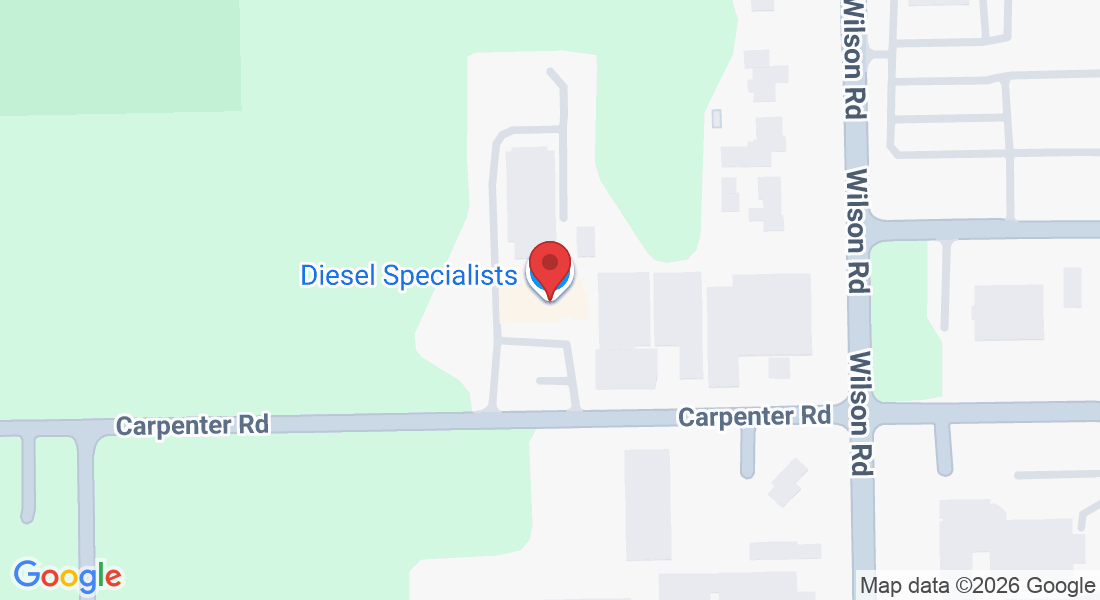
Diesel Specialists Ltd has been working on diesel engines in the Houston and Humble area since 1983. We service Cummins, Detroit Diesel, Perkins, John Deere, Isuzu, Kubota, Yanmar, Kohler, Deutz, and FPT engines, and we'll tell you straight whether your engine needs a full overhaul or something less. Give us a call at (281) 446-1230 or stop by our shop at 1215 Carpenter Rd in Humble to get a real inspection before you commit to a repair.