Factors That Affect How Much a Diesel Truck Oil Change Costs
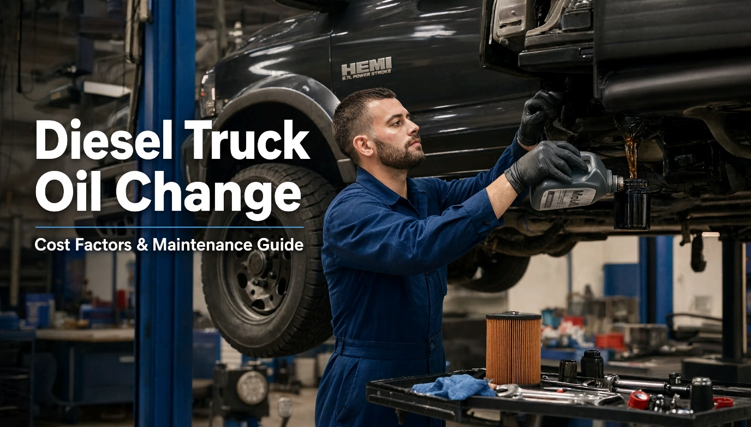
Routine oil changes are one of the most important maintenance services for diesel trucks. Diesel engines operate under higher compression, generate more heat, and handle heavier workloads than gasoline engines, making proper lubrication essential for long-term performance. Understanding the factors that influence diesel truck oil change cost can help truck owners and fleet managers budget for maintenance, support effective Fleet Diesel Repair strategies, and avoid unexpected repair expenses.
Average Diesel Truck Oil Change Cost
The diesel truck oil change cost typically ranges from $80 to over $350, depending on the vehicle, oil type, service provider, and additional maintenance performed during the service.
Diesel oil changes generally cost more than gasoline vehicle oil changes because diesel engines require larger oil capacities, specialized oils, and higher-capacity filtration systems.
Type of Vehicle and Engine Size
The type of diesel vehicle you own has a significant impact on oil change costs.
Light-duty diesel pickups typically require less oil and smaller filters than heavy-duty commercial trucks. Larger engines need more oil, larger filters, and sometimes multiple filtration components, all of which increase service costs.
For example, a diesel pickup truck may require 10–15 quarts of oil, while a heavy-duty commercial truck may require several gallons.
Oil Capacity
Oil capacity is one of the biggest factors affecting the overall cost of an oil change for a diesel truck.
Since oil is one of the primary materials used during the service, engines with larger oil capacities naturally cost more to maintain. The more oil your engine requires, the higher the total service bill.
Commercial and heavy-duty diesel engines often require substantially more oil than passenger vehicles, increasing both material and disposal costs.
Type of Oil Used
Diesel engines require oils specifically formulated to handle soot, contaminants, and high operating temperatures.
Common options include:
• Conventional oil
• Synthetic blend oil
• Full synthetic diesel oil
Full synthetic diesel oil is generally the most expensive option, but it offers superior protection, better performance in extreme temperatures, and longer service intervals. Many modern diesel engines recommend or require synthetic oil to maximize engine protection and efficiency.
Although synthetic oil costs more upfront, its longer lifespan can reduce maintenance frequency and potentially lower annual maintenance costs.
Oil Filter Quality
Oil filters play a critical role in removing dirt, sludge, metal particles, and contaminants from engine oil.
Filter options typically include:
• Standard aftermarket filters
• Premium aftermarket filters
• OEM (Original Equipment Manufacturer) filters
OEM and premium filters often cost more but may provide improved filtration efficiency and durability. Some heavy-duty diesel engines also use dual-filter systems, which further increase replacement costs.
Choosing a high-quality filter helps protect engine components and supports longer engine life.
Labor Costs
Labor rates vary significantly depending on where the service is performed.
Several factors affect labor costs, including:
• Geographic location
• Shop reputation
• Diesel specialization
• Vehicle accessibility
Heavy-duty diesel trucks often require additional labor time because of larger engine compartments, increased inspection requirements, and higher oil capacities.
Dealership service centers generally charge more than independent repair facilities, while specialized diesel repair shops may offer expertise that justifies higher labor rates.
Additional Maintenance Services
Many diesel service providers perform inspections and preventative maintenance checks during an oil change.
These services may include:
• Fluid level inspections
• Air filter inspections
• Fuel filter evaluations
• Belt and hose inspections
• Battery testing
• General vehicle inspections
While these additional services can increase the total diesel oil change cost, they may help identify potential issues before they develop into expensive repairs or downtime.
Driving Conditions and Vehicle Usage
How a truck is used can directly affect maintenance costs.
Diesel engines that frequently:
• Tow heavy trailers
• Haul large loads
• Operate in extreme temperatures
• Travel long distances
• Work in dusty environments
may require more frequent oil changes than vehicles operating under normal conditions.
Severe-duty applications place greater stress on engine oil, causing it to break down more quickly and increasing annual maintenance expenses.
Service Location
Dealership Service Centers
Dealerships often use OEM parts and manufacturer-approved fluids but typically charge premium labor rates.
Independent Repair Shops
Independent diesel repair facilities often provide competitive pricing while maintaining high service quality.
Quick-Lube Centers
Quick-lube facilities may offer convenience and lower prices, though not all specialize in diesel vehicles.
DIY Oil Changes
Experienced owners who perform their own oil changes can reduce labor expenses. However, DIY maintenance still requires purchasing quality oil, filters, tools, and proper disposal materials.
Taxes, Environmental Fees, and Shop Charges
Many service invoices include additional charges beyond oil and labor.
These may include:
• Environmental disposal fees
• Oil recycling fees
• Shop supply charges
• Local taxes
Although these costs are usually small, they can add to the final bill and should be considered when estimating maintenance expenses.
Oil Change Intervals
The type of oil used often influences how frequently oil changes are needed.
Conventional oils typically require more frequent replacement, while synthetic oils can often provide extended service intervals.
For example, a higher-cost synthetic oil change may ultimately reduce annual maintenance expenses if it allows for fewer service visits throughout the year.
Following the manufacturer's recommended maintenance schedule is the best way to balance operating costs and engine protection.
Why Regular Oil Changes Matter
Whether you operate a pickup truck, a commercial fleet vehicle, or heavy equipment, routine maintenance plays a critical role in long-term reliability. Professional diesel engine service providers often recommend adhering to scheduled oil changes to maximize engine performance, improve efficiency, and reduce the risk of costly repairs.
Routine diesel engine oil changes help:
• Reduce engine wear
• Improve fuel efficiency
• Extend engine life
• Maintain warranty compliance
• Reduce unexpected downtime
• Improve overall engine performance
Delaying oil changes can lead to sludge buildup, increased friction, reduced efficiency, and potentially costly engine repairs.
Planning for Diesel Truck Maintenance
For professional diesel truck maintenance, repairs, and service solutions, truck owners can also explore resources and services available at DSL Humble. Working with experienced diesel specialists can help ensure your vehicle receives the proper maintenance needed to maintain reliability, performance, and long-term engine health.