Diesel Engine Oil Change Interval: How Often to Change Oil
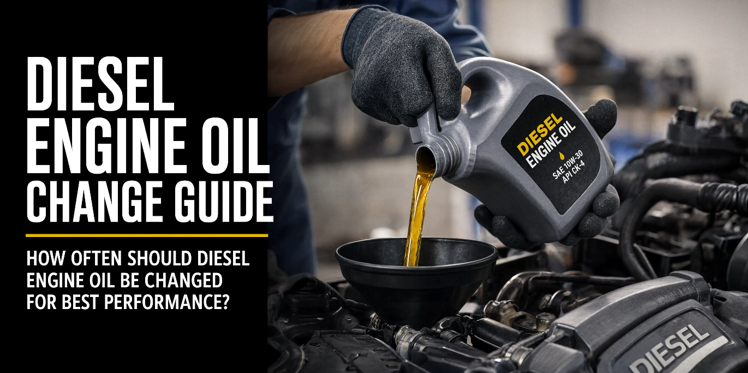
Engine oil is essential to the performance and longevity of any diesel engine. It lubricates moving parts, reduces friction, controls heat, and helps remove contaminants that can damage critical engine components. Regular oil changes are one of the most important maintenance tasks for keeping diesel-powered trucks, equipment, and vehicles running efficiently.
But how often should diesel engine oil be changed? The answer depends on several factors, including engine type, operating conditions, oil quality, and manufacturer recommendations.
Why Regular Oil Changes Matter for Diesel Engines
Diesel engines operate under higher compression and temperatures than gasoline engines. They also produce more soot and combustion byproducts, which can contaminate engine oil over time.
Fresh oil helps:
Reduce engine wear and friction
Improve fuel efficiency
Control operating temperatures
Prevent sludge and deposit buildup
Extend engine life
Maintain reliable performance
When oil becomes contaminated or breaks down, it loses its ability to protect critical engine components, potentially leading to increased wear and costly repairs.
Factors That Affect Oil Change Intervals
Manufacturer Recommendations
The best starting point is always the equipment manufacturer's maintenance schedule. Recommended intervals vary by engine design and application.
Operating Conditions
Severe operating conditions often require more frequent oil changes.
Examples include:
Frequent stop-and-go driving
Heavy towing
Construction equipment operation
Dusty environments
Extreme temperatures
Engine Hours vs. Mileage
For commercial trucks and heavy equipment, engine hours may be a more accurate maintenance indicator than mileage alone.
High-idle applications can accumulate significant engine wear without covering many miles.
Oil Type
Synthetic oils often provide better protection and may support longer service intervals compared to conventional oils.
Signs Your Diesel Engine Oil Needs Changing
Watch for these warning signs:
1. Dark, Contaminated Oil
While diesel oil naturally darkens, excessive contamination may indicate the need for service.
2.Reduced Fuel Economy
Dirty oil can increase engine friction and reduce efficiency.
3.Increased Engine Noise
Old oil may not provide adequate lubrication, resulting in increased mechanical noise.
4.Dashboard Service Indicators
Many modern diesel vehicles monitor oil life and provide maintenance reminders.
Benefits of Timely Oil Changes
Regular oil changes help:
Improve engine performance
Extend engine life
Reduce repair costs
Maintain fuel economy
Enhance reliability
Best Practices for Diesel Oil Maintenance
To maximize engine performance and longevity:
Follow manufacturer maintenance schedules
Use high-quality diesel engine oil
Replace oil filters with every oil change
Monitor oil condition regularly
Keep detailed maintenance records
Adjust service intervals for severe operating conditions
These simple practices can help reduce operating costs and improve equipment reliability over time.
Understanding Diesel Oil Change Intervals
The ideal diesel engine oil change interval depends on factors such as engine type, operating conditions, oil quality, and maintenance practices. While many diesel engines can operate for thousands of miles between oil changes, severe-duty applications often require more frequent service.
What Happens If You Delay an Oil Change?
Delaying an oil change can have a significant impact on diesel engine performance and reliability. As engine oil ages, it gradually loses its ability to lubricate, cool, and protect critical engine components effectively.
Ignoring recommended oil change intervals may lead to:
Increased engine wear and friction
Sludge and deposit buildup
Reduced fuel efficiency
Higher operating temperatures
Premature wear of turbochargers and engine components
Increased risk of costly repairs and unexpected downtime
Routine oil changes are one of the most affordable preventative maintenance tasks and can help avoid expensive engine repairs in the future.
Get the Right Diesel Maintenance Support
Following manufacturer recommendations, using quality oil and filters and monitoring engine performance are the best ways to maximize engine life and maintain peak performance. Regular oil changes remain one of the most cost-effective investments you can make in protecting your diesel-powered vehicle or equipment.
For professional diesel maintenance, repairs, and service support, visit DSL Humble. Working with experienced diesel technicians can help ensure your engine receives the proper care needed to maintain reliability, efficiency and long-term performance.